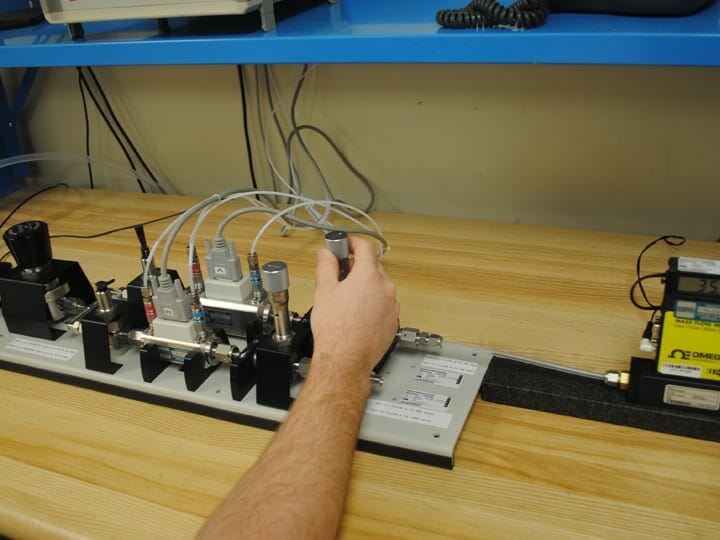
Process meter calibration is a basic facet of making certain the accuracy and reliability of devices used in industrial processes.
Objective of Calibration:
The main function of calibration is to confirm and adjust the accuracy of process meters to make certain that they supply exact and reliable measurements.
Types of Process Meters:
Process meters embody a selection of devices, together with strain gauges, temperature sensors, move meters, degree transmitters, pH meters, and more. Calibration procedures are particular to the type of meter and the parameter being measured.
Calibration Standards:
Calibration includes evaluating the readings of the process meter with a reference standard of identified accuracy. These requirements must be traceable to nationwide or international measurement requirements.
Traceability:
Traceability ensures that the calibration process could be traced back to a recognized commonplace, providing confidence within the accuracy of the measurements.
Calibration Procedure:
The calibration process sometimes involves adjusting the method meter to match the readings of the reference commonplace. Calibration procedures are specific to each sort of instrument.
Calibration Equipment:
Specialized calibration equipment is used, corresponding to stress calibrators, temperature baths, circulate calibrators, and electrical calibrators, depending on the type of process meter.
Calibration Interval:
Calibration intervals are decided based on factors such as industry requirements, producer suggestions, and the criticality of the measurements. Regular calibration at outlined intervals ensures ongoing accuracy.
Documentation:
Detailed documentation is a crucial a part of the calibration process. Calibration information include data such as the date of calibration, equipment used, calibration requirements, changes made, and the technician's signature.
Calibration Certificates:
Calibration labs provide certificates after the calibration course of, indicating the as-found and as-left situations of the instrument. These certificates function evidence of compliance with accuracy standards.
Adjustment and Repair:
If the method meter is found to be out of calibration, changes or repairs could also be necessary to convey it again throughout the specified accuracy limits.
Calibration Tolerances:
Each instrument has outlined tolerances that specify the acceptable vary of deviation from the true worth. process meter calibration basics be certain that the devices fall within these tolerances.
On-Site Calibration:
Some calibration activities may be carried out on-site, decreasing the need to remove devices from the method. On-site calibration is particularly helpful for important processes where downtime must be minimized.
Calibration Management System:
Organizations might use a calibration management system to schedule, observe, and manage calibration activities systematically.
By following these fundamentals, organizations can maintain the accuracy and reliability of their course of meters, making certain that they consistently meet quality requirements and regulatory requirements. Home page is essential for the proper functioning of business processes and the production of reliable data..