

Methylene Blue occupies a key place as a versatile dye and therapeutic agent within the subject of prescription drugs. Its uses embrace the therapy of methemoglobinemia and malaria in addition to potential analysis and treatment of neurodegenerative problems. The requirement for effective manufacturing techniques that guarantee a consistent provide of this important substance grows along with the demand for methylene blue. In this paper, we explore novel concepts, optimization methods, and prospective effects on the healthcare sector in the context of bettering pharmaceutical Methylene Blue manufacturing.
Enhancing Pharmaceutical Methylene Blue Production: Unveiling the Path to Higher Yields
Introduction:
In the realm of pharmaceuticals, Methylene Blue holds a significant place as a versatile dye and therapeutic agent. Its purposes range from treating methemoglobinemia and malaria to serving as a diagnostic tool and a possible treatment for neurodegenerative ailments. As the demand for Methylene Blue continues to develop, so does the need for efficient production strategies that guarantee a secure provide of this very important compound. In https://mccabe-suarez-7.mdwrite.net/the-role-of-pharmaceutical-methylene-blue-in-treating-neurological-disorders-1712715768 , we delve into the world of enhancing pharmaceutical Methylene Blue manufacturing, exploring revolutionary approaches, optimization strategies, and the potential influence on the healthcare trade.
The Significance of Methylene Blue in Medicine
Methylene Blue's multifaceted roles in medication have sparked immense interest in maximizing its production. It acts as an important software in various diagnostic procedures and has proven promise in combating neurodegenerative ailments like Alzheimer's and Parkinson's. Its potential to treat sepsis and its purposes in cancer therapy are additionally being investigated, making it a compound of significant therapeutic worth.
Challenges in Traditional Production Methods
While Methylene Blue has been manufactured for decades, traditional production methods face challenges in assembly the increasing demand. Conventional routes involve time-consuming and expensive chemical synthesis, which will not be sustainable for long-term supply necessities. Furthermore, issues corresponding to low yields and environmental concerns have prompted researchers to discover alternative methods.
Unveiling Biochemical Pathways for Enhanced Production
One promising approach to boost Methylene Blue production is through the exploration of biochemical pathways. By understanding the metabolic pathways concerned in Methylene Blue synthesis inside microorganisms, researchers can probably engineer more efficient production organisms. This biotechnological method goals to leverage the natural capabilities of microorganisms to produce Methylene Blue at higher yields and decrease costs.
The Role of Synthetic Biology
Synthetic biology emerges as a powerful software in the quest for optimizing Methylene Blue production. Synthetic biologists can engineer microbial hosts, similar to bacteria and yeast, to specific the required enzymes and pathways for Methylene Blue synthesis. Through genetic modifications and focused engineering, these organisms can doubtlessly become environment friendly factories for producing the compound.
Cultivation Techniques and Fermentation Optimization
In addition to genetic engineering, cultivation methods play a vital role in achieving larger yields. Optimal fermentation situations, together with nutrient supply, pH levels, and temperature, can significantly affect Methylene Blue manufacturing. Researchers are exploring novel fermentation methods and bioreactor designs to maximise productiveness while minimizing resource consumption.
Novel Feedstock and Sustainability
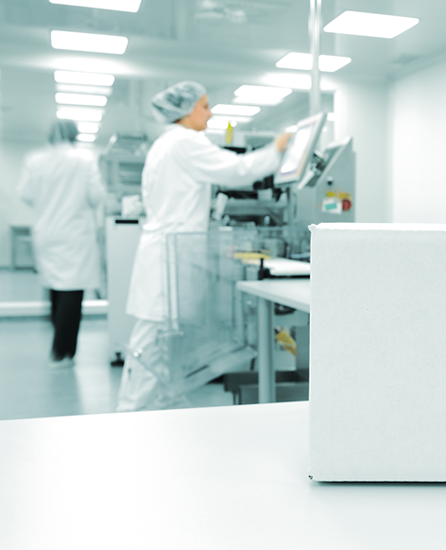
Another space of exploration includes identifying novel feedstocks for Methylene Blue manufacturing. Traditional precursors can be expensive and limited in availability, leading researchers to investigate sustainable and eco-friendly options. By utilizing renewable assets, the environmental impact of Methylene Blue manufacturing can be lowered, aligning with the rules of green chemistry.
Process Integration and Scale-Up Challenges
As promising manufacturing methods are developed in the lab, the challenge lies in scaling up these processes for business manufacturing. Process integration, cost-effectiveness, and regulatory compliance are important elements to suppose about when transitioning from the laboratory to industrial-scale production.
https://squareblogs.net/editorbait9/unveiling-the-mysteries-of-methylene-blue-a-versatile-and-fascinating-compound and Knowledge Sharing
The pursuit of enhanced Methylene Blue manufacturing requires collaboration amongst various disciplines, together with biotechnology, chemistry, and prescription drugs. Academic establishments, analysis organizations, and pharmaceutical corporations can benefit from sharing information, information, and sources to accelerate progress and tackle challenges collectively.
Conclusion:
As the healthcare trade continues to acknowledge the importance of Methylene Blue in analysis and treatment, the quest for enhanced manufacturing strategies features momentum. Through a mixture of biotechnological developments, artificial biology, and sustainable practices, researchers purpose to unlock the potential for higher yields and cost-efficient production. By exploring biochemical pathways, optimizing fermentation processes, and fostering collaboration, the journey in the direction of enhanced pharmaceutical Methylene Blue production promises to deliver us nearer to a way forward for improved healthcare and sustainable pharmaceutical manufacturing..