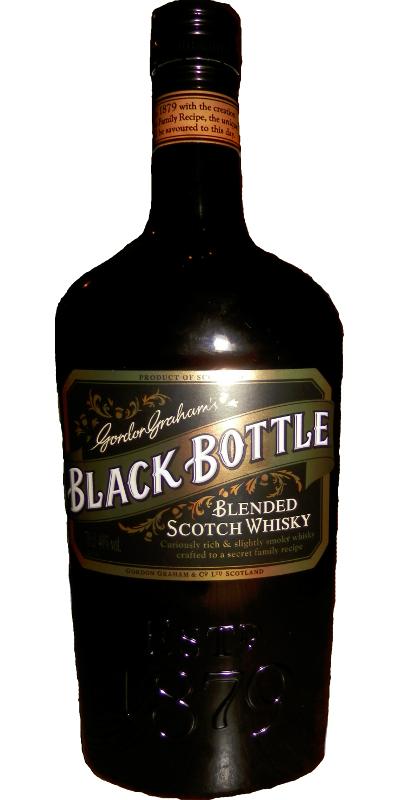
Blended scotch ratings of whiskey refers again to the time frame that the distilled spirit spends maturing in wooden barrels before being bottled. During this growing older course of, the whiskey interacts with the wooden, gaining flavors, aromas, and shade. The age statement on a whiskey label indicates the youngest whiskey in the bottle, meaning that if a bottle has an age statement of "10 years," it incorporates whiskey that has been aged for no much less than 10 years.
Here are some key points about whiskey age:
Importance of Aging: Aging is a important aspect of whiskey production. It permits the spirit to mellow, develop complexity, and absorb traits from the wood barrel. The getting older course of is influenced by factors corresponding to the type of wooden used, the scale of the barrel, and the environmental situations of the aging warehouse.
Types of Aging Barrels: Whiskey is commonly aged in oak barrels, and the sort of oak can impact the final product. Common types of oak used include American white oak and European oak. Bourbon is typically aged in new charred oak barrels, whereas Scotch whisky may be aged in used barrels, often sherry casks or bourbon barrels.
No Age Statement (NAS): Some whiskies, notably lately, may not carry an age statement. This could be intentional on the a half of the distiller, who could select to not spotlight a particular age. Instead, they might give consideration to the flavor profile achieved via numerous getting older strategies, cask varieties, and mixing.
Single Barrel vs. Blended: Single barrel whiskies come from a single cask and are often labeled with an actual age. Blended whiskies, on the opposite hand, are a combine of whiskies from totally different barrels and may carry an age assertion that reflects the youngest whiskey in the blend.
Youthful vs. Aged Whiskeys: While longer growing older typically imparts extra advanced flavors, it would not necessarily mean that older whiskies are always better. Some whiskies are intentionally crafted to be enjoyed at a youthful age, highlighting specific traits of the spirit and the cask.
Legal Requirements: Different nations have varying regulations regarding age statements. For example, Scotch whisky laws specify that the age statement should represent the youngest whisky within the bottle, whereas bourbon should be aged in new charred oak barrels, with no minimum getting older requirement.
Blended scotch ratings for customers to know that age is solely one issue influencing the flavor of whiskey. Personal preferences vary, and a few might respect the vibrancy of younger expressions, whereas others benefit from the depth and complexity that comes with prolonged growing older. Exploring a variety of whiskies with completely different age statements can offer a greater understanding of particular person preferences..